
4 hr
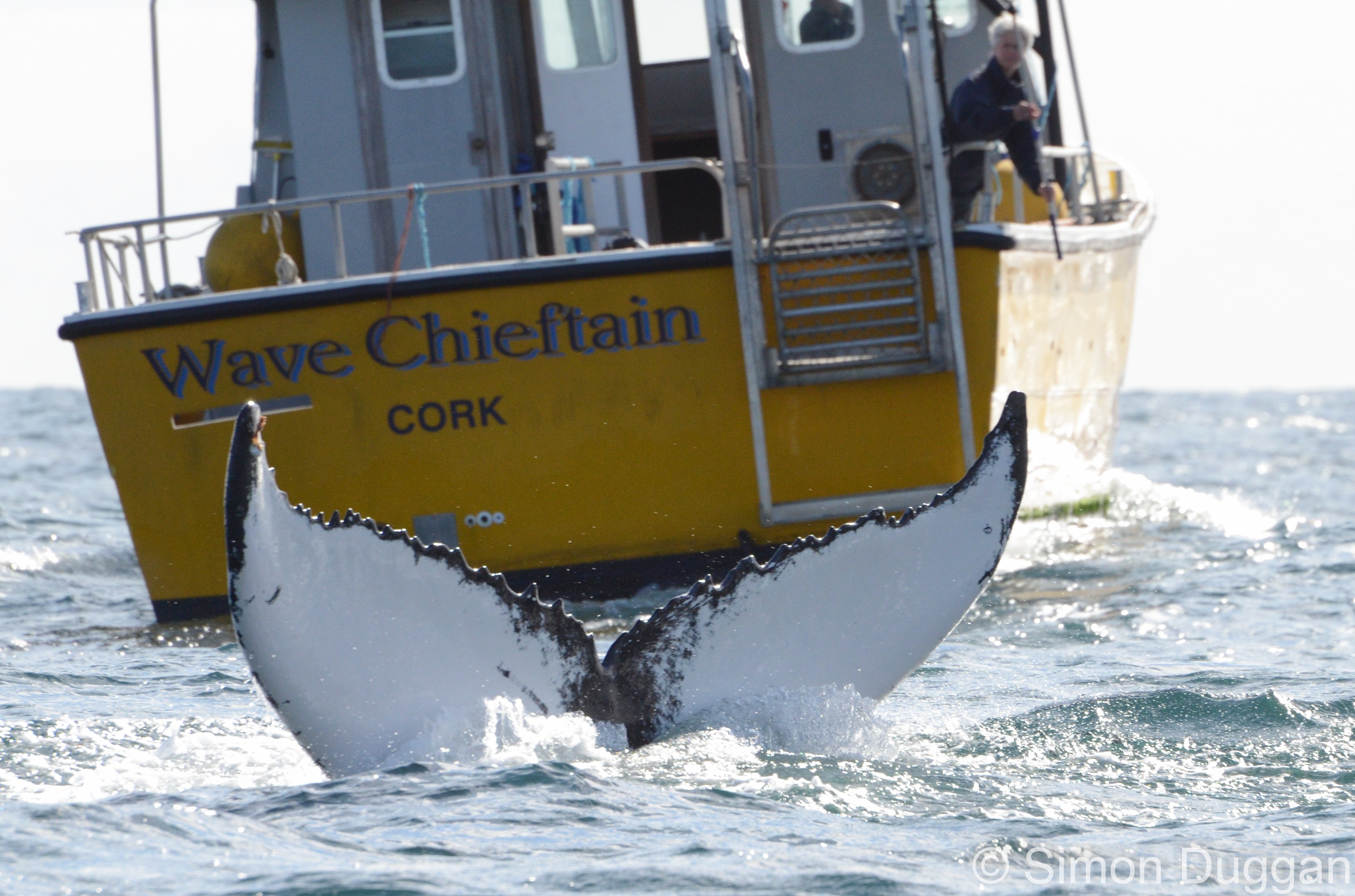
Baltimore Whale & Dolphin Watching Expedition
Venture into Ireland's Atlantic waters to encounter majestic whales, playful dolphins, and diverse marine life.
Reserve
Hand-picked by our editors — only the best 5 experiences from 23 reviewed.
Verified partners for every tour, free cancellation where available, and instant confirmation on every booking.
4 hr
Venture into Ireland's Atlantic waters to encounter majestic whales, playful dolphins, and diverse marine life.
Reserve
2 hr
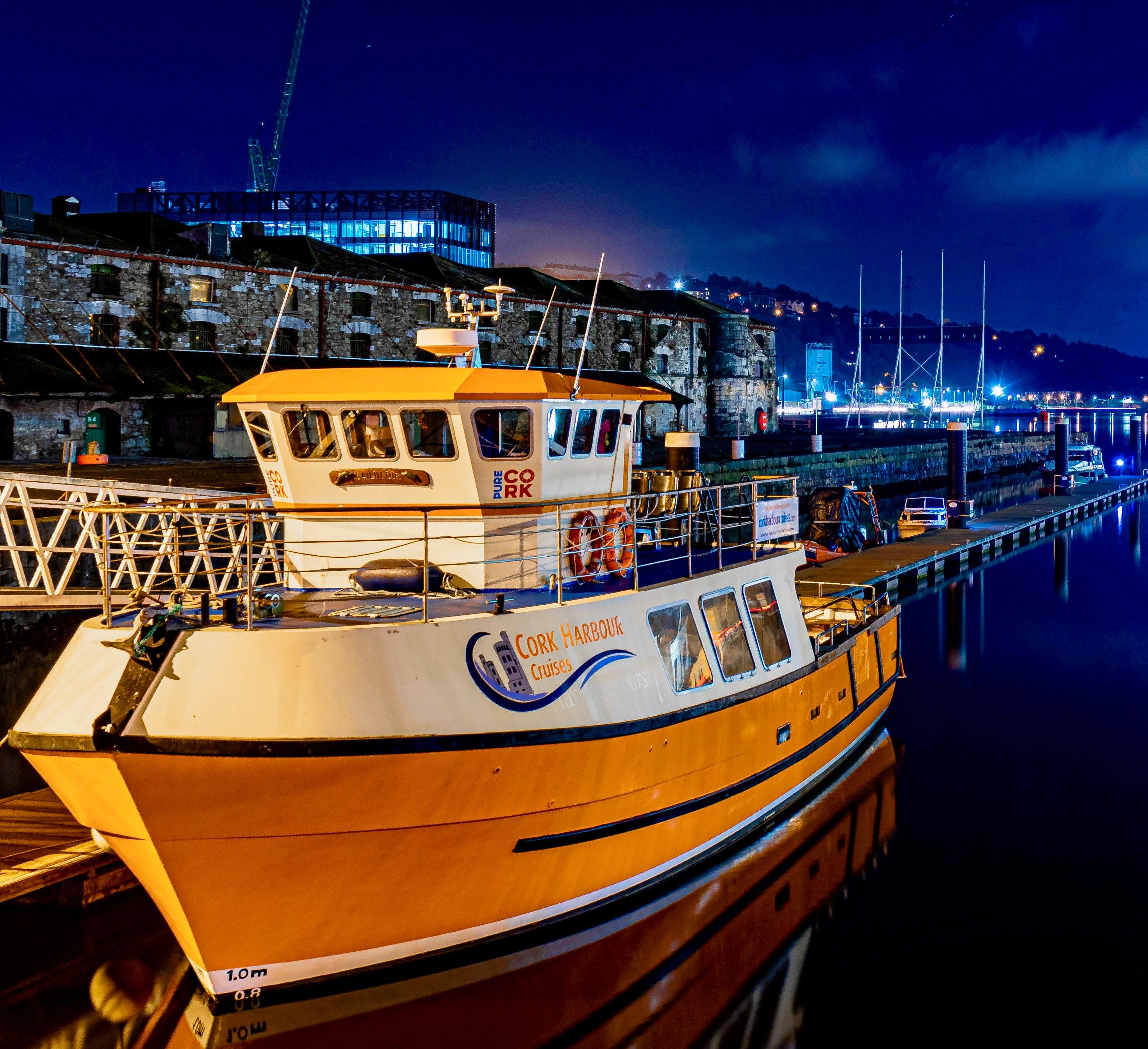
Glide through Cork's historic waterways with panoramic views of castles, naval heritage, and wildlife
Reserve
11 hr
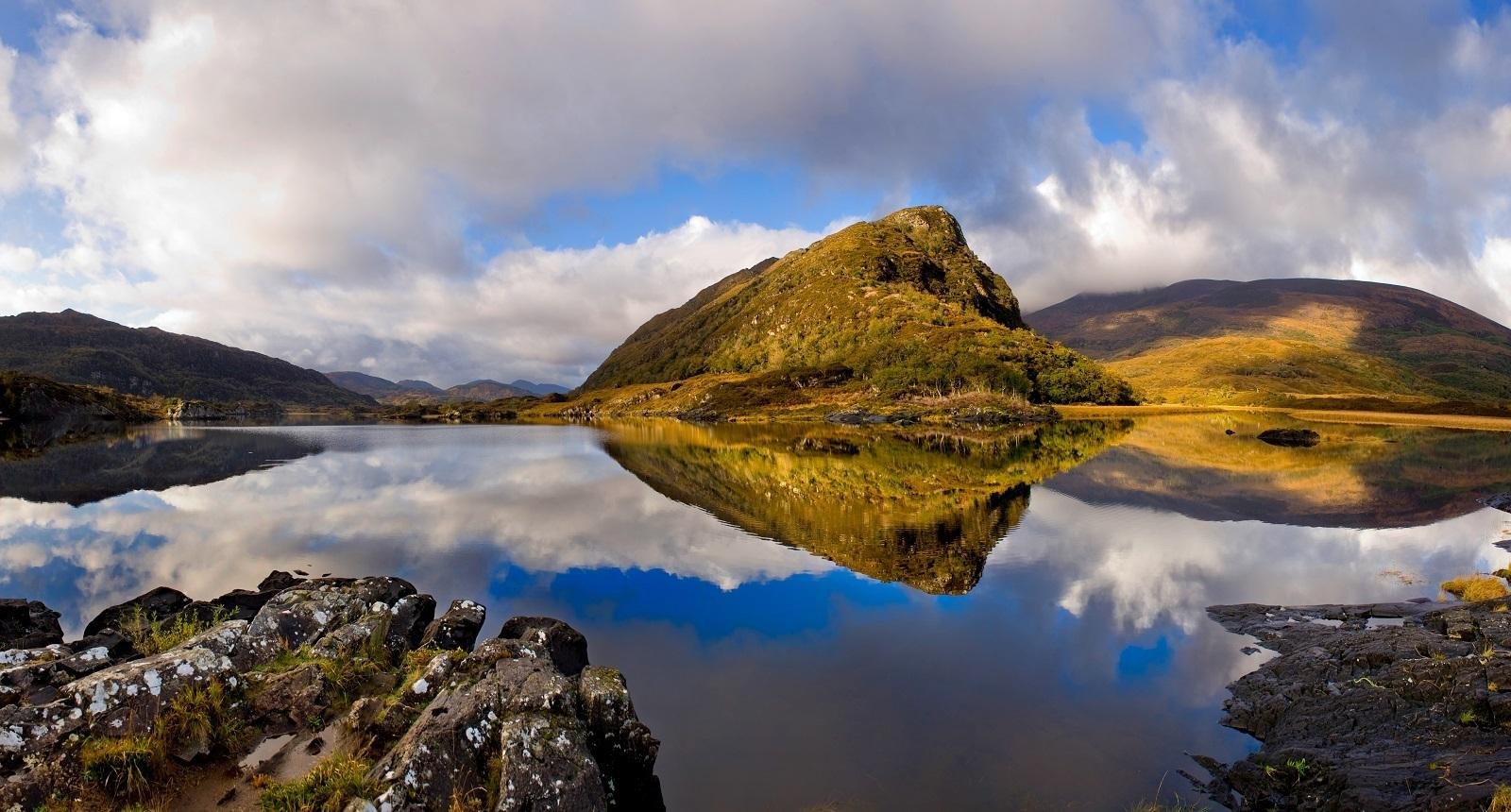
Journey through Ireland's legendary coastal route with stops at historic villages and stunning viewpoints
ReservePrices from verified partners. Availability updates in real time at checkout. Free cancellation policies apply where shown.
The landmarks, rooms, and views travelers on this tour remember — all visible on a single visit.
A sheltered bay known for diverse marine life and calm waters for boarding vessels.
A 16th-century tower house located near the pier overlooking the coastline.
A scenic coastal area adjacent to the pier known for aquatic activities and local charm.
The purpose-built whale watching vessel often seen docked at the pier.
The deep-water corridor beyond the pier where whale sightings frequently occur.
They complement each other; most visitors who do both find the more remote Reen Pier provides a quieter maritime observation experience while Baltimore offers greater infrastructure for those seeking structured cork whale watch reen pier tours.
| Feature | Top pick Reen Pier | Baltimore |
|---|---|---|
Ease of access |
Direct roadside parking | Requires village navigation |
Distance from Cork City |
Approx 90 minutes | Approx 95 minutes |
Boat capacity |
Smaller specialized vessels | Varied fleet sizes |
Departure reliability |
Subject to marine conditions | Subject to marine conditions |
Nearby amenities |
Limited to coastal nature | Village shops and cafes |
| See tickets → |
Verdict: Choose Reen Pier if you prefer a secluded coastal departure, or opt for Baltimore if you require local services after your cork whale watch reen pier tour.
Choose your ticket, select your date, and reserve in under two minutes. Secure checkout handled by our verified partner.
Instant confirmation by email, with a mobile voucher you can save offline. No printing, no queuing at a collection desk.
Arrive at the entrance, show your voucher on your phone, and walk in. Most tickets include priority or skip-the-line access.
Practical details for your visit straight from our verified partners — hours, access, rules, and how to get there.
Wear warm, windproof, and waterproof layers as temperatures drop significantly offshore. Sturdy, non-slip footwear is essential for safety on deck.
Keep personal bags compact and waterproof. Secure all loose belongings before boarding your cork whale watch reen pier tour.
Bring a camera with a neck strap to prevent accidental drops into the water. Telephoto lenses are recommended for wildlife shots.
Access to vessels at the pier can be steep depending on tide levels. Please inform your operator of mobility requirements before booking your cork whale watch reen pier tickets.
The pier area is open and requires adult supervision for children at all times. Verify age suitability directly with your chosen boat operator.
Carry water and light snacks for the duration of your trip. There are no facilities directly on the pier itself.
Best time to go, insider tips, nearby landmarks, and the cancellation fine print — flip through to skim what matters to you.
Flexible, no hidden fees.
All trips are subject to weather conditions and operator discretion. Please confirm the cancellation window directly with your specific tour provider as terms may vary.
Reen Pier extends thirty metres into the sheltered waters of Bunnaglanna Cove, a natural harbour carved from the southern shore of West Cork where the League River meets the Atlantic. Built in the nineteenth century to serve the fishing villages scattered along Roaringwater Bay, the stone slipway remains the departure point for seasonal whale-watching expeditions that track fin whales, minke whales, and common dolphins along the continental shelf eight nautical miles offshore. The pier's granite blocks, laid without mortar in the traditional dry-stack method, have withstood a century and a half of winter storms; barnacles colonise the lower courses, and at low tide the exposed pilings reveal centuries of tidal wear. Cork whale watch reen pier tours operate from late spring through early autumn, when Atlantic currents bring plankton blooms that draw baleen whales into the nearshore feeding grounds between Mizen Head and the Fastnet Rock. Operators licensed by the Irish Whale and Dolphin Group depart from the pier in rigid-hull inflatables and converted fishing trawlers, following sighting protocols established by marine biologists who have tracked cetacean migration patterns in these waters since the 1990s. The route passes Baltimore's thirteenth-century castle ruins, skirts the uninhabited Carbery Islands, and reaches the deep-water channel where fin whales—second only to blue whales in size—surface to breathe during their northward journey toward Icelandic feeding grounds. The pier itself occupies a triangular plot at the end of a single-track road that winds through hedgerows and stone-walled pastures, three kilometres south of Union Hall village. No permanent structures stand on the pier; visiting boats moor alongside bollards set into the granite, and a narrow shingle beach flanks the eastern side. Local knowledge holds that the pier was extended twice—once in 1902 and again in 1948—to accommodate deeper-draft vessels, though county records were lost in a fire. On clear mornings the Fastnet Lighthouse is visible eleven kilometres to the southwest, its white tower marking Ireland's most southerly point. Whale-watching expeditions from Reen Pier contributed €1.2 million to the West Cork tourism economy in 2025, according to figures compiled by Cork County Council. The pier remains free to access year-round, with no formal facilities; operators provide safety briefings and weather updates at the slipway before departure. Sightings are never guaranteed—marine mammals follow prey, not schedules—but captains report encounters on approximately seventy per cent of summer sailings, a success rate driven by real-time communication between boats and shore-based spotters who scan the horizon from clifftop vantage points above Kedge Island.
"The pier's granite blocks, laid without mortar in the traditional dry-stack method, have withstood a century and a half of winter storms."
A step-by-step walkthrough of the visit — what you'll see, how long each stage takes, and the details that matter.
You follow the narrow coast road past whitewashed cottages and gorse thickets until the tarmac ends at a gravel turnaround above the pier. Stone steps, slick with spray, descend to the slipway where a rigid-hull inflatable idles against the granite. Your captain—a third-generation fisherman turned cetacean guide—hands you a life jacket and waterproof poncho, then points southwest toward open water. The boat clears the harbour mouth in under three minutes, accelerating past kelp beds and lobster-pot markers as the engine settles into a steady thrum. Ten kilometres offshore the water deepens to indigo. The captain cuts the throttle and the boat drifts, rocking gently in the Atlantic swell. You scan the horizon for blows—the vertical spray a whale exhales when surfacing—and within minutes a dark ridge breaks the surface thirty metres to starboard. A minke whale, six metres long, rolls through a shallow dive, its dorsal fin catching the light before it descends. The boat follows at a respectful distance, the captain narrating dive intervals and feeding behaviour as you brace against the gunwale, salt wind sharp on your face. On the return leg you pass Baltimore's stone quay and the skeletal frame of a nineteenth-century signal tower, then round the headland into Bunnaglanna Cove. The pier reappears, a grey line against green fields, and the boat glides into the shallows where you stepped aboard two hours earlier. You climb the stone steps with legs still adjusting to solid ground, the memory of open water and surfacing whales vivid against the quiet of the harbour.
The pier is publicly accessible 24 hours a day, though tours operate during daylight hours.
No, there is 0 EUR entrance fee for the pier area itself.
The best arrival window is 08:00–18:00 for optimal visibility and whale activity.
It is 4km from Union Hall; follow the signs for Reen Pier from St. Bridget’s Church.
No, there are no public restrooms directly on the pier.
Yes, many operators welcome families, but always confirm age restrictions with your provider.
Tours are weather-dependent; confirm your departure status with your operator as they may offer a refund or reschedule.
Yes, there is a designated parking area near the pier.
You may spot fin, humpback, and minke whales, as well as dolphins and seals.
You can explore the nearby Raheen Tower House or the scenic Reen Walk coastal trail.