4 hr
Baltimore Whale & Dolphin Watching Boat Trip
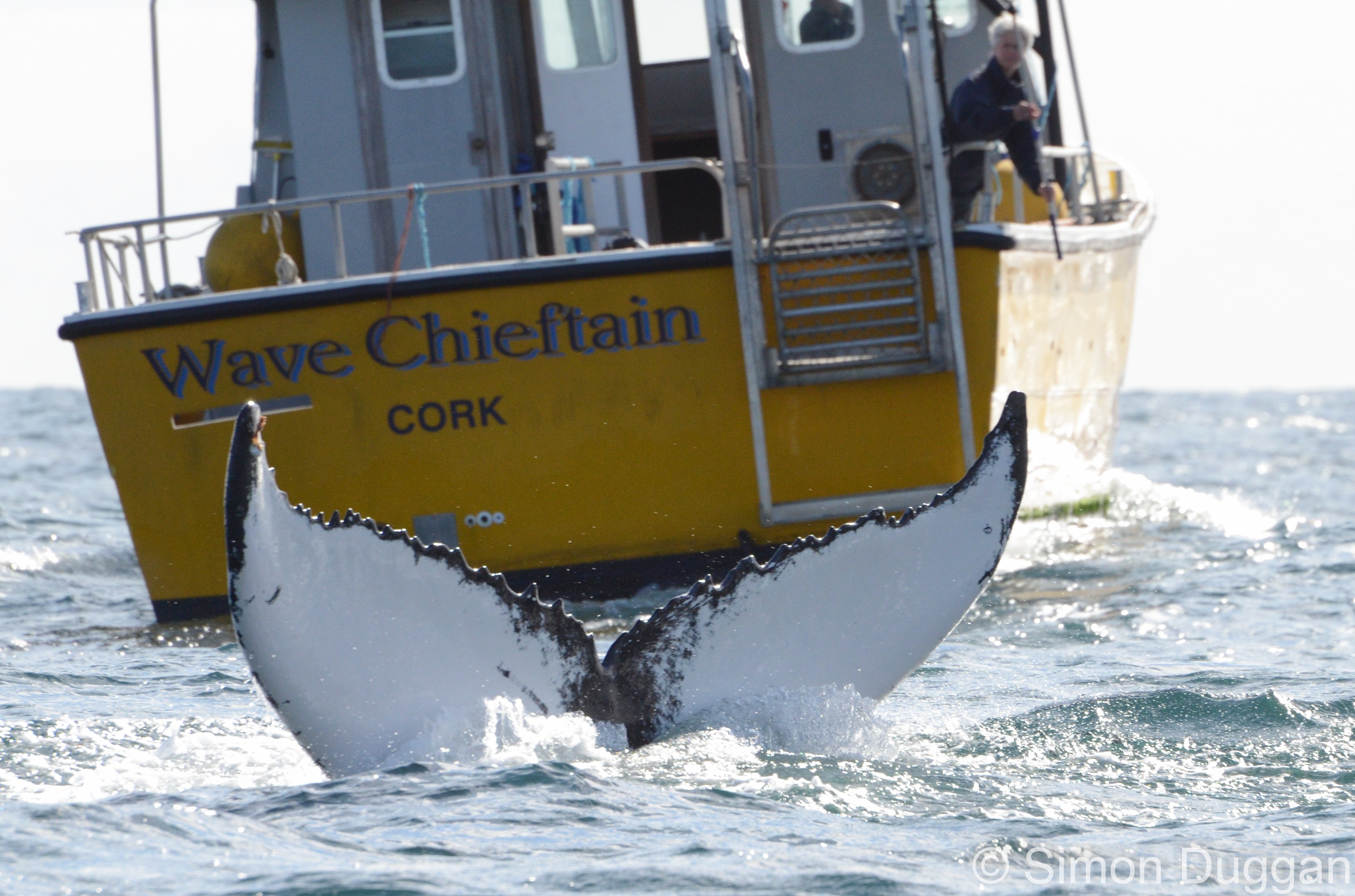
Venture into open Atlantic waters to encounter whales, dolphins, and seals along Ireland's dramatic coastline.
Reserve
Hand-picked by our editors — only the best 5 marine experiences from 27 reviewed.
Verified partners for every tour, free cancellation where available, and instant confirmation on every booking.
4 hr
Venture into open Atlantic waters to encounter whales, dolphins, and seals along Ireland's dramatic coastline.
Reserve
2 hr
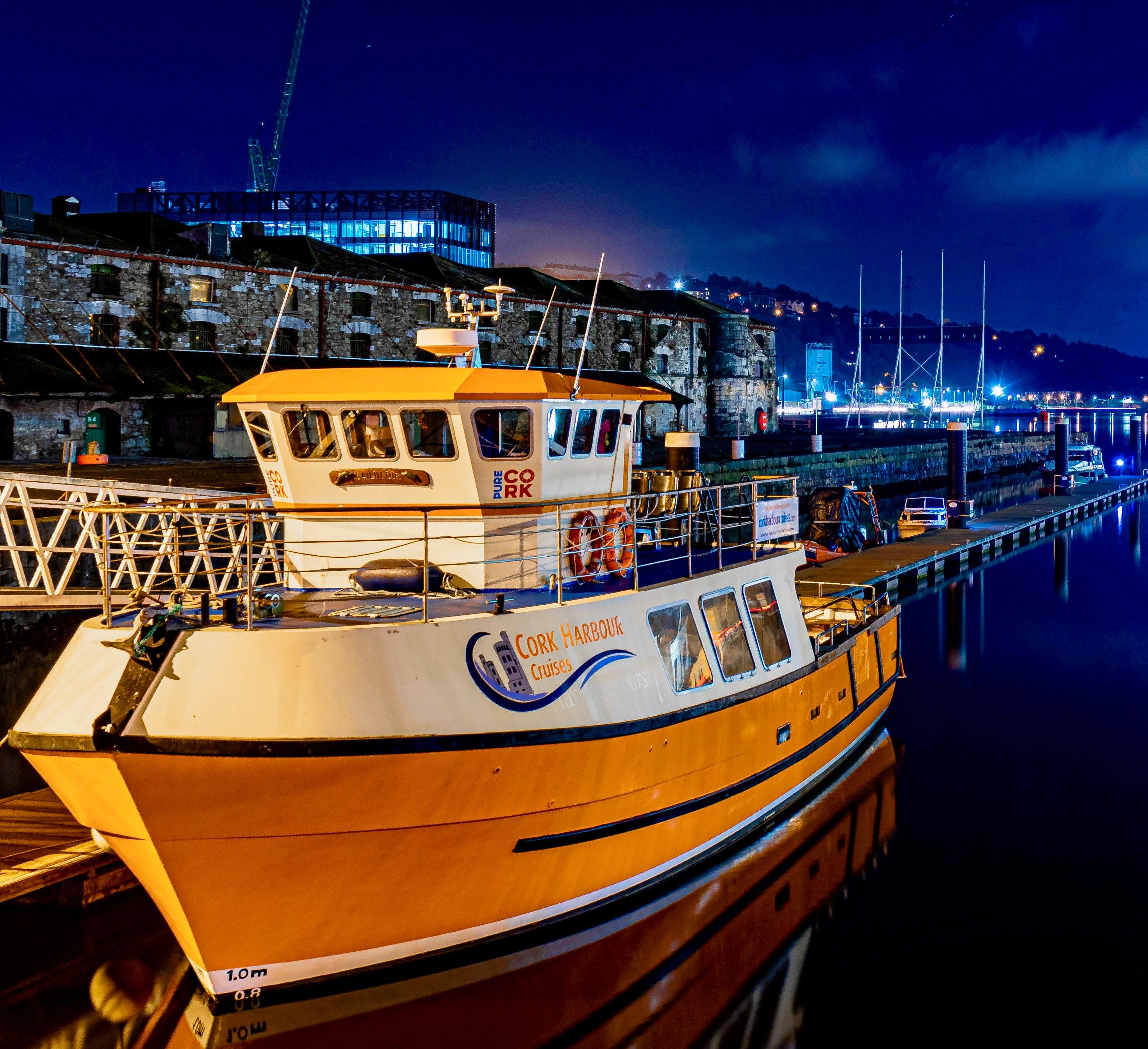
Navigate the River Lee and Lough Mahon on a two-hour sightseeing voyage through one of Ireland's most storied waterways.
Reserve
1 hr 30 min
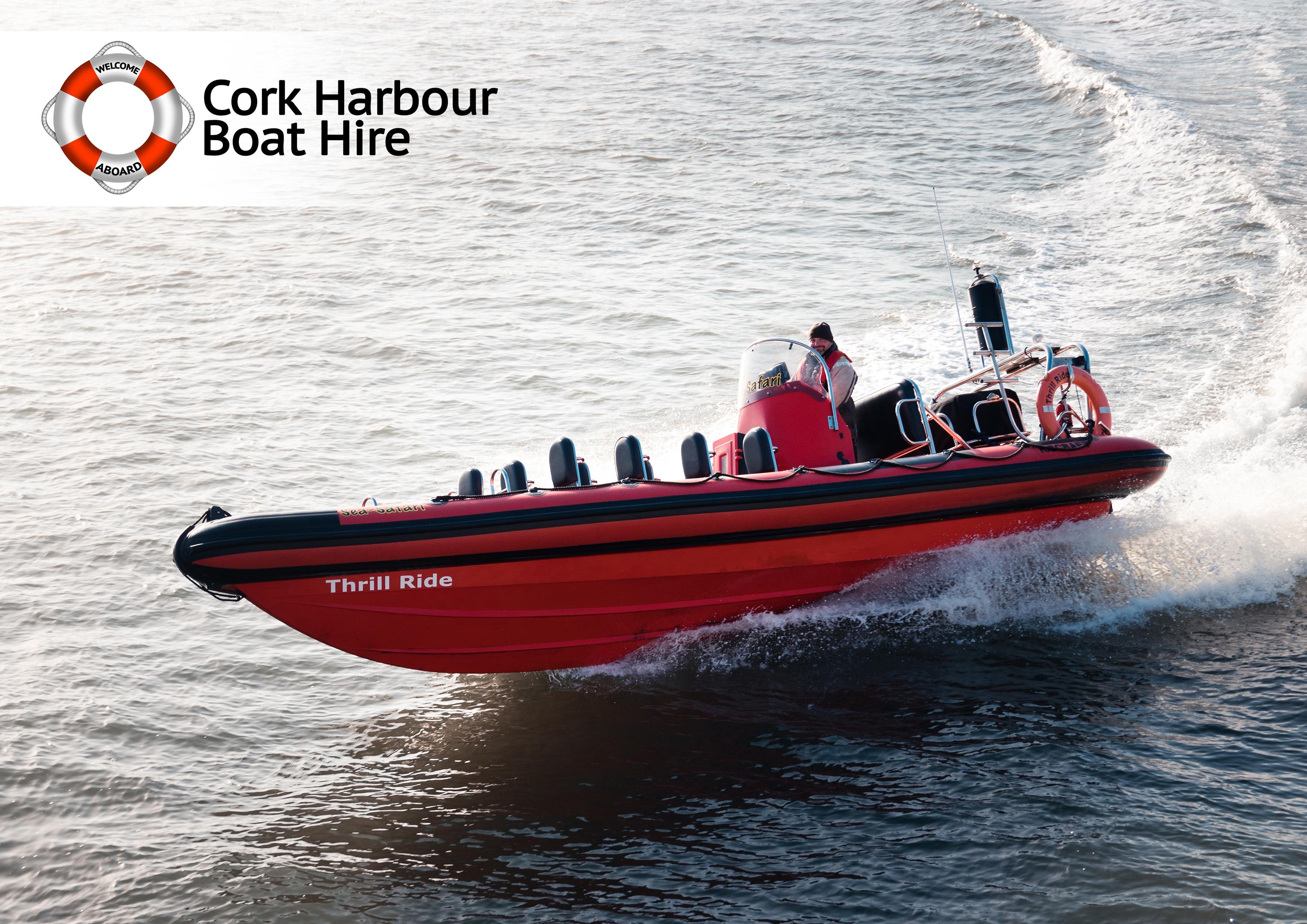
High-speed coastal ride past Spike Island, naval vessels, and a historic lighthouse with wildlife encounters
ReservePrices from verified partners. Availability updates in real time at checkout. Free cancellation policies apply where shown.
The landmarks, rooms, and views travelers on this tour remember — all visible on a single visit.
The departure point for all cork whale watching tours, featuring a sheltered bay and historic docks.
Witness minke whales, dolphins, and porpoises in their natural habitat off the West Cork coast.
A prominent 19th-century white-washed landmark that signals the entrance to the harbor.
A restored medieval fortress overlooking the water, offering a glimpse into local history.
Observe seals and diverse seabirds thriving in the rich waters around West Cork.
They complement each other, though most visitors who do both describe the specialized marine mammal expeditions as the more focused wildlife experience. Planning your cork whale watching tours effectively helps you decide between dedicated sea life tracking and generalized maritime sightseeing.
| Feature | Top pick Whale Watching | Coastal Scenic Cruises |
|---|---|---|
Primary objective |
Marine mammal observation | Coastal landscape photography |
Duration |
3–4 hours | 1.5–2 hours |
Wildlife sighting probability |
High in offshore waters | Low to moderate |
Typical vessel type |
Specialized rigid inflatable boat | Traditional passenger ferry |
Best for |
Dedicated nature enthusiasts | Casual sightseers and families |
| See tickets → |
Verdict: Choose the specialized cork whale watching tours tour to prioritize direct encounters with marine megafauna, or opt for scenic cruises if your cork whale watching tours tickets are better served by a flexible, time-efficient excursion along the coastline.
Choose your ticket, select your date, and reserve in under two minutes. Secure checkout handled by our verified partner.
Instant confirmation by email, with a mobile voucher you can save offline. No printing, no queuing at a collection desk.
Arrive at the entrance, show your voucher on your phone, and walk in. Most tickets include priority or skip-the-line access.
Practical details for your visit straight from our verified partners — hours, access, rules, and how to get there.
Baltimore Harbour, West Cork
Look for the boat operator sign
Follow signs for N71 towards Skibbereen then R595 to Baltimore. Parking is available near the harbor.
Bus Eireann services run to Skibbereen. A local taxi is required for the final leg to Baltimore.
Wear warm, windproof, and waterproof layers even in summer. Sturdy non-slip footwear is essential for safety on deck during cork whale watching tours.
Only bring essential soft-sided bags as deck space is restricted. Large suitcases are not permitted on vessels.
Photography is encouraged, but ensure equipment is secured with a strap. Protect lenses from salt spray during your cork whale watching tours.
Vessels have varying levels of access; please notify the operator of mobility requirements. Staff assist with boarding at Baltimore Harbour.
Mobile phone use is permitted, but keep devices secure. Reception may be intermittent far from the coast.
Children are welcome on cork whale watching tours but must be supervised at all times. Life jackets are provided for all passengers.
Bringing water and light snacks is recommended. No food service is typically provided on short marine excursions.
Pets are generally not permitted on board for safety reasons. Service animals require prior coordination.
Arrival between 09:00–14:00 ensures you have enough time for boarding procedures. Weather-related cancellations are common in West Cork.
Best time to go, insider tips, nearby landmarks, and the cancellation fine print — flip through to skim what matters to you.
How crowds, weather, and events shift across the year.
High probability of sightings and warmer temperatures. Booking cork whale watching tours tickets in advance is recommended during August.
Peak season for baleen whales in Irish waters. Fewer crowds than mid-summer.
Early season sightings often include harbor porpoises. Cooler temperatures prevail.
Limited operations due to sea conditions; check with operators directly.
Small details that turn a good visit into a great one.
Monitor local marine forecasts for your cork whale watching tours tour. Cancellations depend on sea state.
The wind chill is significant even in August. Wear multiple layers.
Take preventative measures if you are prone to motion sickness. Consult a pharmacist before your trip.
Secure your spot for cork whale watching tours weeks in advance. Popular slots fill quickly.
Enhance your viewing experience by bringing personal binoculars. Operators provide some, but personal ones are better.
Maintain distance as instructed by the captain. Do not disturb the marine environment.
Non-bookable sights within a short walk — free to visit, easy to pair.
Accessible by ferry, known for ruins and beaches.
Ireland's southernmost inhabited island with hiking trails.
A famous white-washed landmark overlooking the Atlantic.
A restored castle overlooking Baltimore Harbour.
Flexible, no hidden fees.
Cancellations made 48 hours in advance are eligible for a full refund. No public entrance fee of 0 EUR applies to bookings.
Hand-picked options within walking distance — pick a district for vibe, or a specific hotel for convenience.
Traditional hotel located directly at the harbor.
Family-run hotel known for local food.
Various guesthouses located in the village center.
Baltimore Harbour sits at the edge of a continental shelf drop where Atlantic currents push nutrient-rich water upward, creating one of Ireland's most reliable cetacean feeding grounds. Fin whales — the second-largest animal ever to exist — migrate through West Cork's offshore canyons between May and October, their forty-tonne bodies surfacing less than two nautical miles from the harbour wall. The same upwelling that draws whales brings vast shoals of sprat and mackerel, which in turn attract common dolphins, harbour porpoises, and occasional minke whales to the same corridor. Cork whale watching tours operate from Baltimore, a working fishing village whose stone pier has anchored boats for four centuries. The harbour opens directly onto Roaringwater Bay, a sheltered approach that gives way to open ocean within twenty minutes of departure. Skippers work the Bream Rock shelf and the Kedge Island channel, reading surface slicks and bird activity to predict where cetaceans will surface next. On calm days, the spout of a fin whale is visible from three kilometres; its exhalation carries across flat water like a low whistle. The geology beneath these tours defines what lives above. Baltimore sits where the Munster Basin meets the Atlantic, a convergence that creates steep underwater topography. The hundred-fathom line runs parallel to the coast here, closer than almost anywhere else in Ireland. Deep water means deep-ocean species: sunfish drift in the thermocline, basking sharks filter-feed at the surface in summer, and leatherback turtles follow jellyfish blooms northward. Operators log sightings daily, contributing data to the Irish Whale and Dolphin Group's national survey. Since formal monitoring began in 2004, West Cork has recorded nineteen cetacean species, more than any comparable stretch of Irish coastline. Marine tourism in Baltimore emerged slowly. Commercial whale-watching began in 1999, adapting boats that had served mackerel trawlers and ferry routes. Early trips targeted harbour porpoises and common dolphins; fin whale sightings were incidental until 2008, when researchers confirmed that the species returned to West Cork's shelf edge every autumn. By 2015, whale-watching boat trips from Cork had become a seasonal fixture, with operators extending their calendar from April through November to match cetacean migration windows. The industry remains small-scale: fewer than ten vessels hold permits, and daily departures are timed to tides and sea state rather than fixed schedules.
"Fin whales migrate through West Cork's offshore canyons between May and October, surfacing less than two nautical miles from the harbour wall."
A step-by-step walkthrough of the visit — what you'll see, how long each stage takes, and the details that matter.
You board at Baltimore's stone pier thirty minutes before departure, stepping onto a RIB or enclosed vessel depending on your chosen tour. The skipper briefs the group on safety protocols and sighting signals, then throttles up through Roaringwater Bay. Sherkin Island passes to starboard; the lighthouse on Cape Clear marks the open Atlantic ahead. Within fifteen minutes the boat clears the last lee and the swell deepens. You scan the horizon in quadrants, eyes trained on movement rather than colour. A distant splash resolves into a pod of common dolphins, their bodies arcing in synchrony as they close on the boat. The skipper cuts the engine; dolphins ride the bow wake, their clicks audible through the hull. After ten minutes the pod peels away and the search resumes. An hour offshore, a crew member points southwest. A faint mist rises above the waterline, then a dark ridge surfaces and rolls forward — the back of a fin whale, thirty metres from fluke to snout. It breathes three times, each exhalation visible as a vertical plume, then dives. The tail never lifts. You wait, binoculars raised, until the whale surfaces again two hundred metres distant. The boat holds position for twenty minutes, logging the sighting, before turning back toward Baltimore as the afternoon light flattens across Roaringwater Bay.
The operator is open daily from 09:00–18:00.
There is no public entrance fee of 0 EUR, though tour prices vary.
For the best experience, arrive between 09:00–14:00.
Yes, children are welcome on cork whale watching tours when supervised.
You may cancel up to 48 hours before the trip for a full refund.
Small, soft bags are allowed, but large luggage is prohibited.
Photography is allowed and encouraged during your cork whale watching tours.
You can reach Baltimore Harbour via car or public bus to Skibbereen followed by a taxi.
Yes, you can explore the Baltimore Beacon or take a ferry to Sherkin Island.